Degree Information
The Master of Landscape Architecture and Master of Science in River-Coastal Science and Engineering creates a new pathway for students interested in pursuing a career at the intersection of landscape architecture and engineering, with a focus on ecological and community-based design approaches supported by technical expertise in nature-based engineering solutions. This interdisciplinary approach equips students with the design skills necessary to address pressing environmental and social issues and a firm grounding in ecological, scientific, and technical knowledge.
Applications for the Summer 2026 Cohort are open. For information on how to apply, check the Admissions page.
Degree Overview
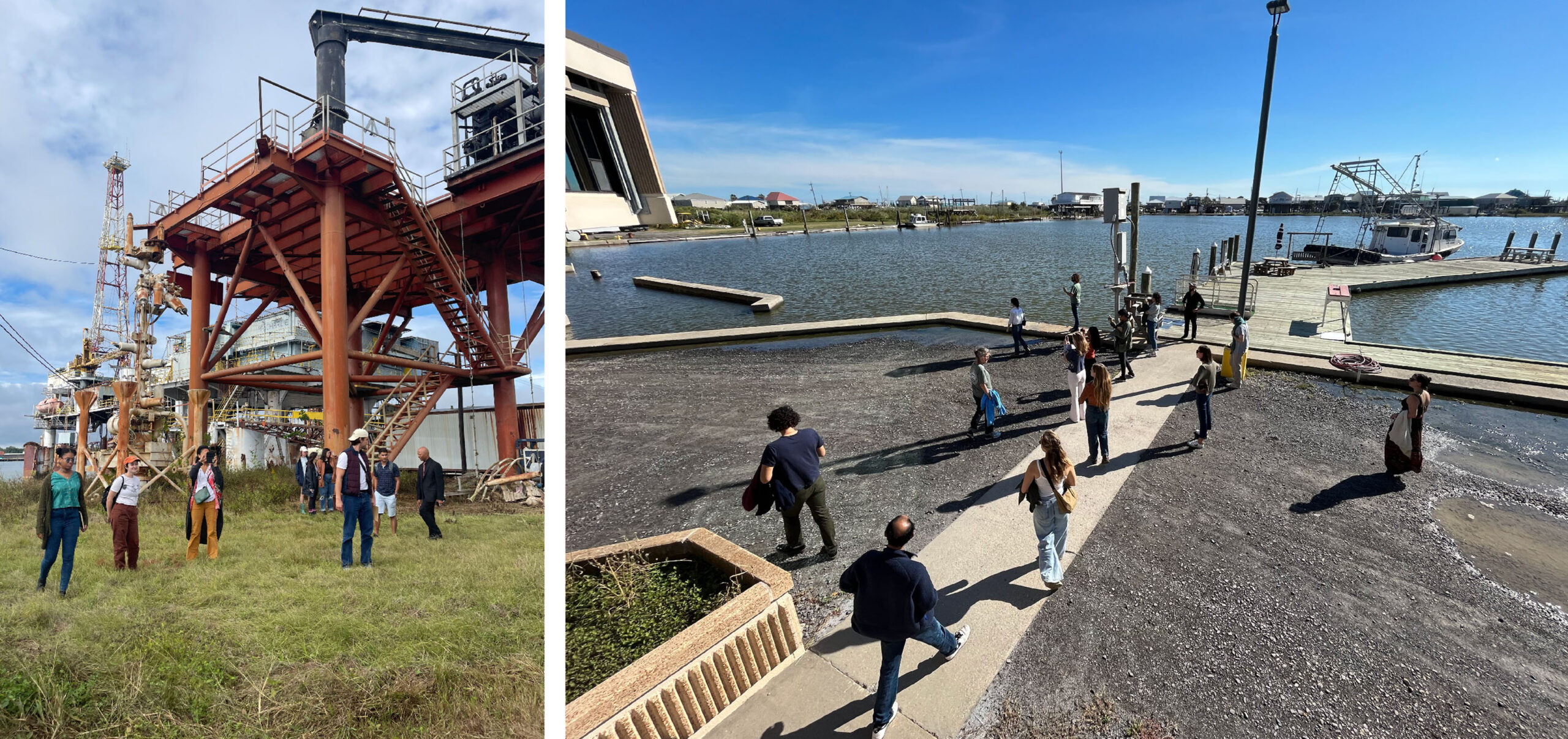
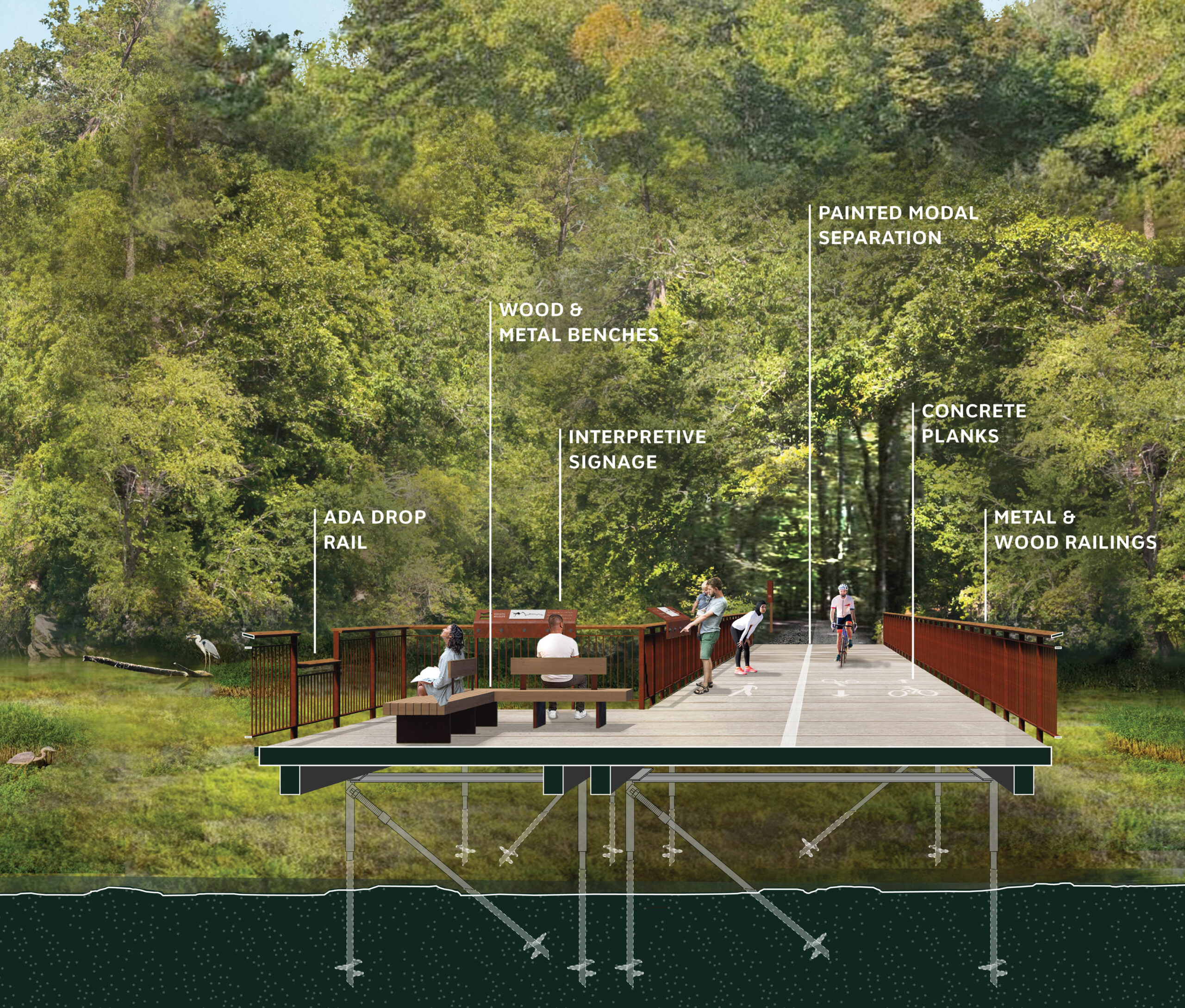
The Master of Landscape Architecture and Master of Science in River–Coastal Science and Engineering dual degree program integrates the design explorations of landscape architecture with the technical expertise of engineering approaches to dynamic natural systems. This program prepares students to address complex environmental and social challenges in urban, coastal, and riverine settings, using the Gulf Coast region as a global model for climate-change investigation.
The curriculum spans three and a half years. The summer course serves as an Introduction to Design and is structured for students from all academic backgrounds, including those without prior design experience. It offers an immersive, multidisciplinary approach that operates across scales and systems, blurring the boundaries among the design disciplines of the built environment (landscape architecture, architecture, engineering, planning, etc.).
The first year, the “green year,” focuses on living vegetative systems within the complex context of the Anthropocene. The second year, the “blue year,” centers on water systems—rivers, coasts, estuaries, and wetlands—within urbanized territories. Students complete one MLAN elective (3 credits) and three RCSE electives (9 credits)m which can be selected from a variety of intensive math/physics or non-intensive math/physics options. The third year is dedicated to individual design-research under the guidance of a selected faculty thesis director. Thesis projects typically engage real-world challenges at the intersection of built-environment disciplines.
Students develop interdisciplinary skills in design; orthographic representation; GIS mapping; model-making; data analysis; and environmental modeling. These digital and analytical tools support the analysis, representation, and transformation of complex social and environmental systems. Advanced placement may be available on a case-by-case basis.
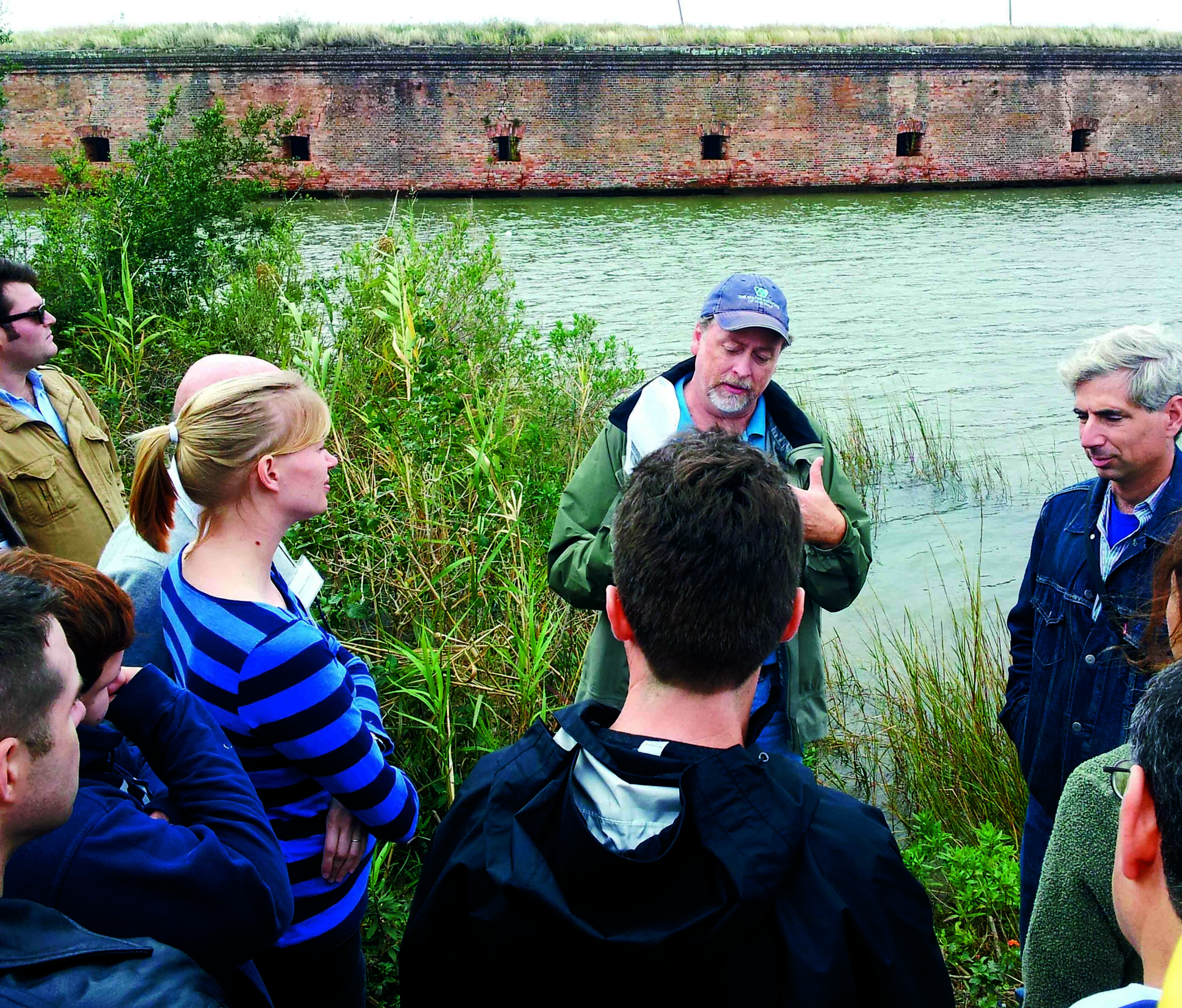
Graduates of this STEM-designated program are well prepared for careers in landscape architecture, landscape urbanism, civil and ecological engineering, and urban and environmental planning in both the private and public sectors. The program also offers internship opportunities through the Water Institute of the Gulf, engineering firms, and the U.S. Army Corps of Engineers.
More Information
If you would like to receive more information about our dual degree in Landscape Architecture and Engineering, please fill out this inquiry form.